
Home
Choose a school
Pupils on roll
Age group
FSM eligible
SEND/Support
EAL
FFT programmes used
Why did Lionel Primary School choose FFT Reciprocal Reading?
Ms Wayper
Year 5 teacher
Year 3 pupil
Implementing the programme
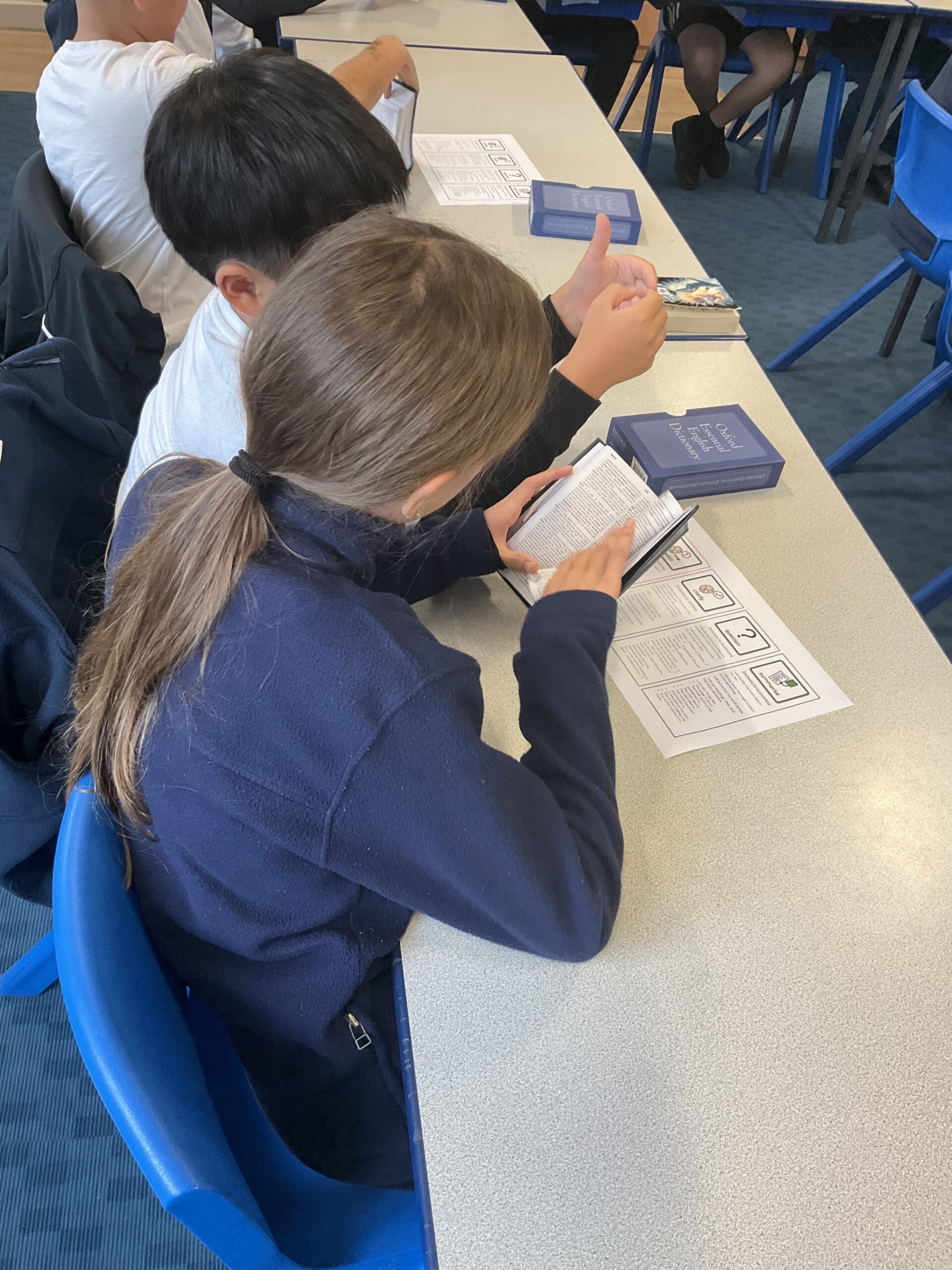
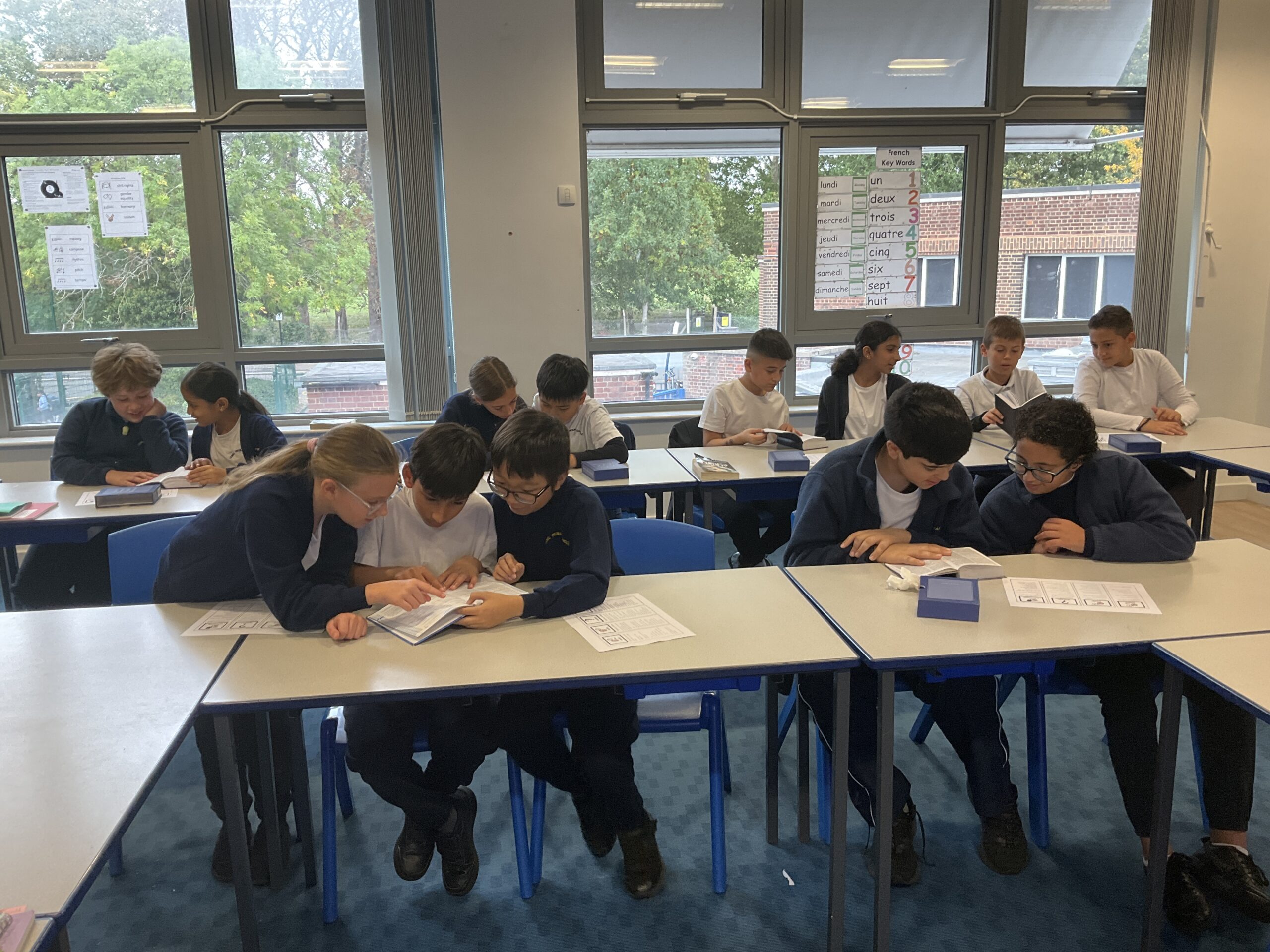
Lionel Primary School has been using FFT Reciprocal Reading since October 2023, initially as a targeted intervention. From September 2024, the approach was adopted more widely as a whole-class model for teaching reading comprehension.
The school first introduced Reciprocal Reading with 32 pupils in Years 5 and 6. These children, split into four groups of eight, received two or three 30-minute sessions each week over a 12-week period. All pupils in the intervention groups made significant progress and became noticeably more confident readers.
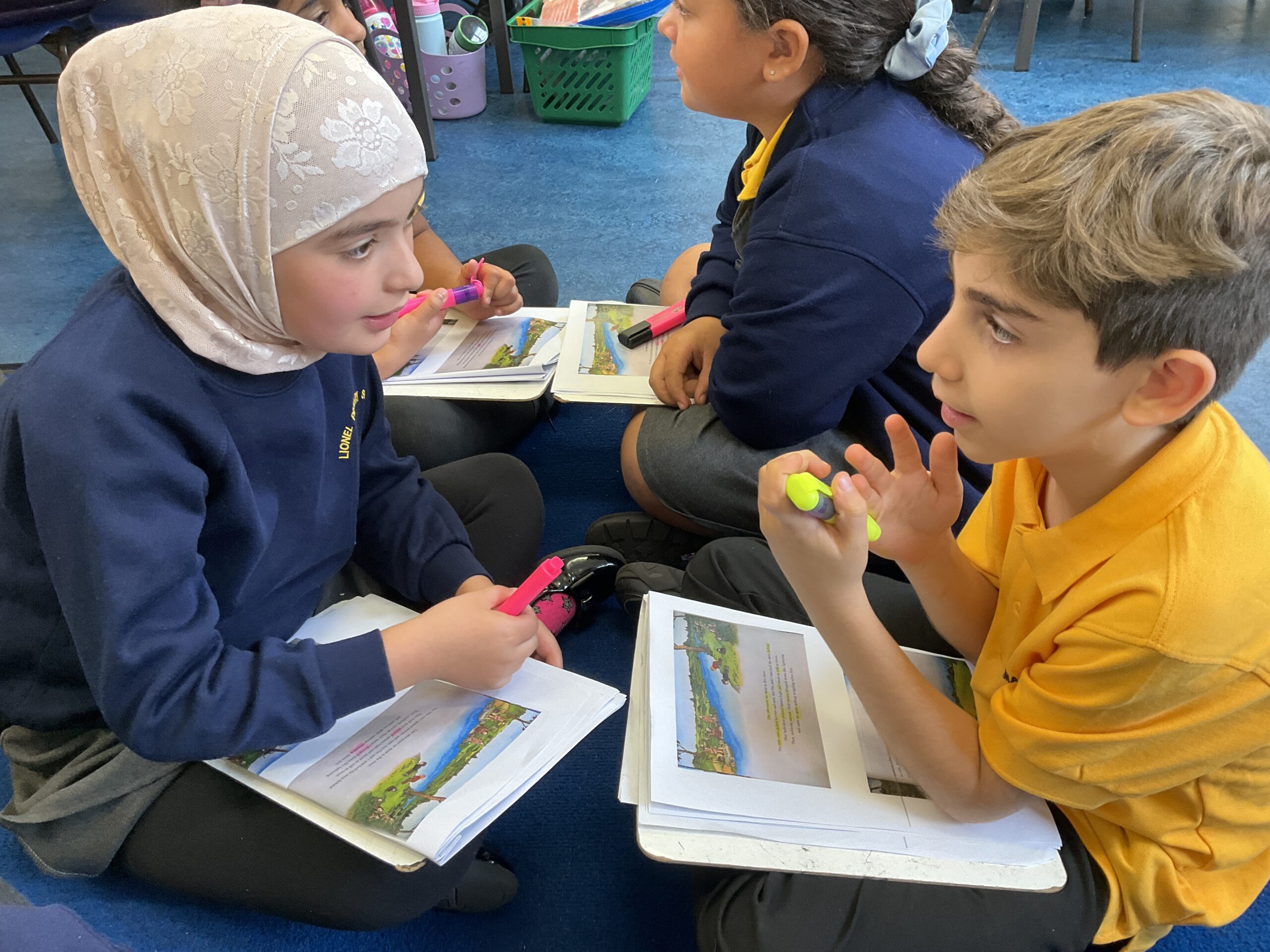
Encouraged by these results, the school expanded the use of Reciprocal Reading in September 2024 to whole-class teaching in Years 3 to 6, as well as to a group of Year 2 pupils who had moved beyond the school’s phonics programme. From the start of the summer term in 2025, all Year 2 pupils began participating in whole-class Reciprocal Reading sessions. Across all year groups, pupils now receive three 30-minute Reciprocal Reading sessions per week.
Intervention groups continue to run in Years 5 and 6 to provide additional support with the four core comprehension skills for lower-attaining pupils. These groups, capped at eight children, meet twice a week and are carefully timetabled to avoid PE lessons. A rotation system ensures that children do not miss the same lesson two weeks in a row. The intervention sessions are delivered by two trained teaching assistants who have both completed two days of in-person training with FFT.
Training and implementation have been a key part of the school’s strategy. Initially, two teaching assistants and the English lead attended two full days of face-to-face training with FFT. To embed the approach across the school, a further two days of on-site training were delivered to all staff. The English lead has also conducted Learning Walks of Reciprocal Reading sessions to ensure consistency of practice and to provide timely feedback and coaching to both individuals and teams.
The school has found the FFT planning guides particularly helpful when getting started, offering a clear structure and useful strategies for developing children’s skills in each area of the Reciprocal Reading cycle. The bookmark prompts have also been widely used and adapted across year groups, acting as effective scaffolds to support children in responding with full sentences and developing their oracy. Staff also appreciate the ongoing access to the FFT Reciprocal Reading portal, which provides a wealth of resources, including suggested texts, planning materials, and book journal ideas.
Spotlight on pupil progress
The Year 5 and 6 pupils who took part in the initial Reciprocal Reading interventions made significant progress. Among the Year 6 cohort, all students improved by at least 11 points in their KS2 scaled scores, with one pupil achieving the maximum score of 120. In Year 5, every pupil involved moved from working just below age-related expectations to meeting them by the end of the academic year.
While it is still early to draw conclusions from the data on the whole-class Reciprocal Reading programme, there has already been a noticeable shift in pupil attitudes. Children are now more engaged, look forward to their reading lessons, and are enthusiastic about sharing their ideas.