
How Linton Heights Junior School closed the gap between reading and understanding
By FFT Education

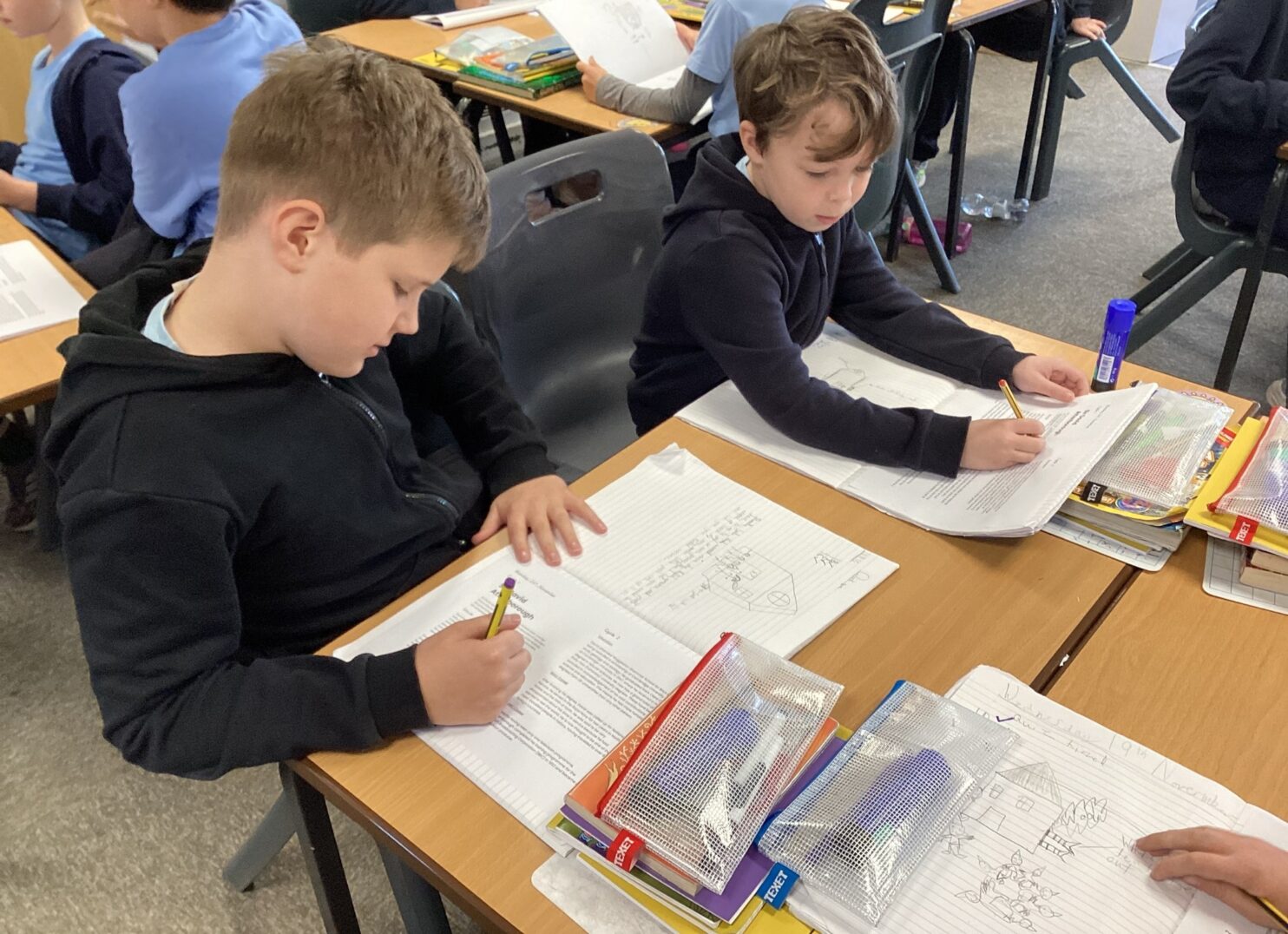
Linton Heights Junior School had a group of children who could read fluently but weren’t showing the same skills in comprehension. Assessment data made the gap clear: pupils were reading the words without always making sense of them. The school turned to FFT Reciprocal Reading to teach comprehension strategies explicitly — and to build a genuine love of reading along the way. Here’s how it has gone.
Why Linton Heights chose Reciprocal Reading
The school wanted a programme that would directly address that gap between decoding and understanding, embedding the core comprehension strategies its fluent-but-stuck readers were missing.
“The children love coming to the reciprocal reading group. They’re excited to read the next section, and they love it when there is a twist and what they predicted to happen doesn’t!”
— Mrs Chapman, English Lead
Putting it in place
Linton Heights first used Reciprocal Reading as a targeted intervention for about two years, after joining the Reciprocal Reading Pilot Study, then moved to a whole-class format in October 2024. It started with Years 5 and 6 — over 30 pupils across five groups of six — prioritising Year 5 so comprehension skills were in place before Year 6. The impact showed in both year groups.
To protect the intervention, two trained teaching assistants have dedicated time that can’t be pulled onto other work, with sessions timetabled around assemblies, morning work and the end of the day so pupils don’t miss lessons. All staff were trained through in-person days, with the English Lead cascading further CPD to teachers and Higher-Level Teaching Assistants. An FFT advisor visit and platform resources — ready-made planning and reading materials — saved staff time and built confidence in delivery.
The impact
Reading outcomes have stayed strong, consistently meeting or exceeding the national average, and pupils who previously just missed the national standard have started to meet it. The bigger shift has been in engagement: children who were once reluctant now take an active part, and staff have seen pupils with a wide range of needs engaging meaningfully in sessions.
“The change we’ve seen in our pupils’ love of reading, understanding of vocabulary, ability to accurately predict and give short concise summaries shows how much our investment has paid off. FFT Reciprocal Reading has made a huge impact, and we’d recommend it to anyone wanting to increase their pupils’ love of reading as well as improve reading outcomes for all.”
— Mrs Chapman, English Lead
The trust points to four reasons it recommends Aspire Pupil Tracking: better visibility of progress where DfE data falls short, national benchmarks for a fairer evaluation of progress, simple dashboards, and support for data-informed decisions across the trust.
Find out more – read the full Linton Height’s Junior School case study or learn more about Reciprocal Reading.