

Pupils on roll
FSM eligible
EHCP
SEND/Support
EAL
FFT programmes used
How Clements Primary Academy uses FFT’s Reading Assessment Programme to track progress for disadvantaged pupils
Tracking reading progress only helps if you can act on it quickly enough. That was the problem Clements Primary Academy needed to solve. Clements is a one-form-entry school in a small Suffolk market town, serving a highly disadvantaged catchment, with a separate SEND (special educational needs and disabilities) hub for pupils with complex needs.
Disadvantaged pupils often don't maintain accelerated progress on their own and need continual, year-on-year support. So staff needed a reading assessment that could show, term by term and beyond, exactly which pupils were falling behind and by how much. The school's previous tool gave useful information, but it took too long to run, and staff couldn't afford to lose teaching time to slow assessment.
This case study looks at how Clements uses FFT's Reading Assessment Programme (RAP) to solve that problem.
How the school uses the programme

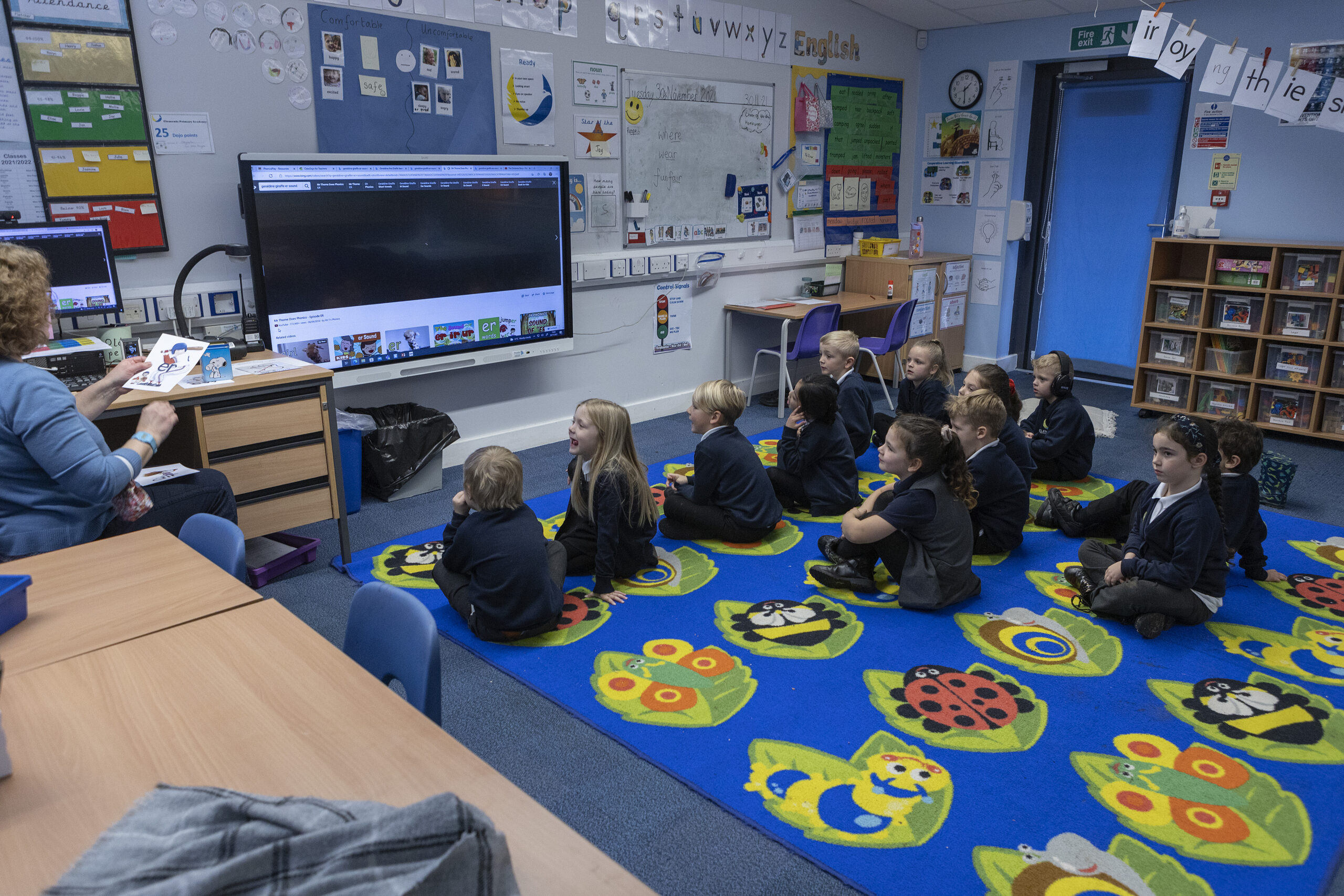
The school assesses every pupil from Reception to Year 6 for consistency, so that staff can continuously support pupils with learning gaps and maintain progress. The school has used the programme for four years, assessing termly to measure the progress difference and inform decisions about interventions. The headteacher and the class teacher or tutor review the Reading Assessment Programme data together against age-expected standards to decide whether interventions continue or pupils return to class. Interventions are picked up again if a pupil’s trajectory dips.
FFT's Reading Assessment Programme (RAP) also works alongside FFT’s other literacy programmes, including Tutoring with the Lightning Squad (TWL): a recent RAP assessment can be used as the TWL initial assessment, which avoids testing pupils twice and saves staff time.
In the SEND hub, pupils have EHCPs (education, health and care plans), complex needs and varying attention spans, and some cannot access national tests. Staff use the programme’s ability to pause an assessment and return to it, since a seizure or a short attention span can otherwise wipe the information. Staff can also assess GPCs (grapheme-phoneme correspondences) only, word reading only, or fluency only, since a pupil may manage one element but not another. Staff say the key is knowing exactly what a pupil can do and measuring their progress from there.
Claire Everett
Higher Level Teaching Assistant